31 May 2026
Are Boat Trips Safe? What Travelers Should Know
Are boat trips safe? Yes, when the operator, boat, weather, and briefing all meet high standards. Here's what smart travelers should check.
by Spiros
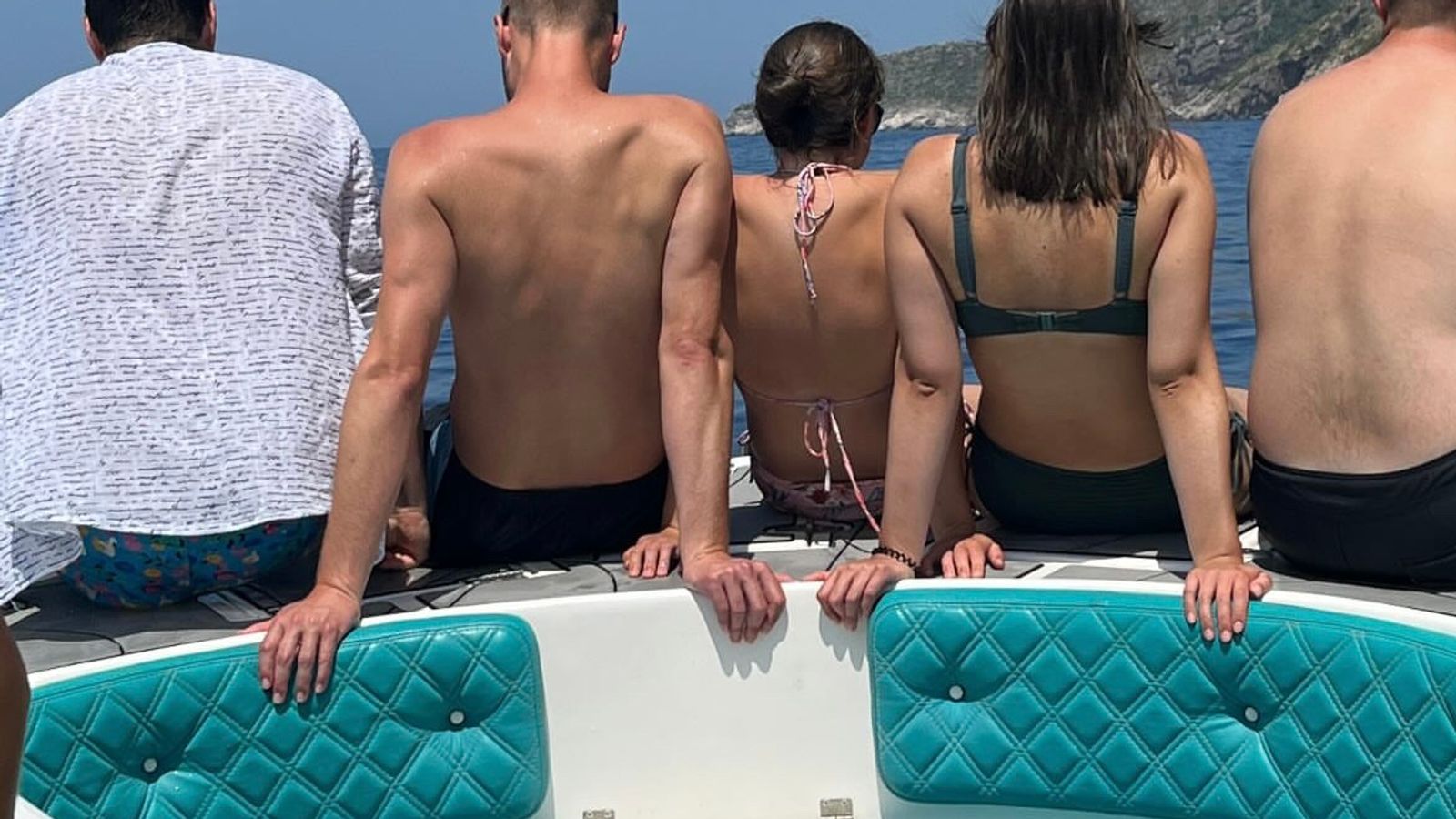
A calm bay, clear water, and a boat gliding toward sea caves sounds effortless from shore. But if you are planning time on the Albanian Riviera, it is fair to ask: are boat trips safe? The short answer is yes, they can be very safe when the experience is run by a professional operator, the conditions are right, and guests know what to expect before stepping on board.
That answer matters because not all boat trips are created equal. A well-run coastal tour should feel relaxed and memorable, not uncertain or rushed. Safety is not separate from the experience. It is part of what makes a premium day on the water feel comfortable from the first departure to the final swim stop.
Are boat trips safe when you book a tour?
In most leisure travel settings, boat trips are safe when they are operated with the same care you would expect from any professional tourism experience. That means a properly maintained vessel, an experienced captain, attention to weather and sea conditions, clear passenger guidance, and a route that matches the group and the day.
For travelers, the real question is usually not whether boat trips are safe in theory. It is whether the specific tour you are considering is being run responsibly. The difference between a great day at sea and an uncomfortable one often comes down to standards behind the scenes.
A quality operator makes those standards visible. You should feel that the trip is organized, not improvised. Departure is clear, the boat looks clean and cared for, the captain is confident without being careless, and instructions are easy to follow. That kind of professionalism creates peace of mind long before the boat leaves the coast.
What actually makes a boat trip safe?
Safety on the water is rarely about one single thing. It comes from several decisions working together.
The captain and local knowledge
A skilled captain does more than steer. They read sea conditions, know how different coves behave in changing wind, choose when to approach caves or beaches, and understand when to adjust a route. Along a coastline like Drymades and Dhermi, local knowledge matters because the sea can look inviting from a distance while conditions shift around cliffs, open stretches, or narrow entrances.
This is one reason smaller, guided experiences often feel more reassuring than crowded, generic excursions. There is more attention to the route, the group, and the timing of each stop.
Weather and sea conditions
Good operators do not treat the itinerary as fixed at all costs. They adapt. If the sea becomes too rough for a planned stop, the safe decision is to change the plan, delay departure, or cancel if needed. That may disappoint travelers in the moment, but it is exactly the kind of judgment you want from a professional team.
The safest boat trip is not always the one that reaches every advertised point. It is the one that respects the day’s conditions.
Boat condition and onboard equipment
A modern, well-maintained boat should inspire confidence. Guests may not know every technical detail, but they can usually notice the basics: the vessel feels stable, seating is secure, the boarding process is orderly, and safety equipment is present and easy to identify.
Cleanliness matters too. It may sound like a comfort issue rather than a safety one, but a boat that is obviously looked after often reflects a broader culture of care.
Clear communication
Before departure, guests should know where to sit, how to move around the boat, when to use ladders or handholds, and what to do during swim stops. This does not need to feel formal or intimidating. In fact, the best safety briefings are simple, calm, and easy to remember.
Travelers tend to relax more when expectations are clear. That is especially true for first-time boat guests, families, or anyone who loves the sea but does not spend much time on boats.
Common concerns travelers have
When people ask, are boat trips safe, they are often thinking about a few specific worries rather than boating in general.
What if I am not a strong swimmer?
You do not need to be an expert swimmer to enjoy many boat tours, especially those designed around sightseeing, scenic cruising, and optional swim stops. The key is to be honest before departure. If you are not comfortable in deep water, let the crew know. A good operator will explain what is optional and help you enjoy the trip within your comfort level.
No guest should feel pressured to jump in just because others do.
What about seasickness?
This is one of the most common concerns, and it is a reasonable one. Some people are more sensitive to motion, especially on open water. Calm mornings, stable boats, and experienced captains all help, but sensitivity varies from person to person.
If you are prone to seasickness, plan ahead. Eat lightly, stay hydrated, and ask whether the route is typically gentle or more exposed. That does not mean the trip is unsafe. It just means your comfort may depend on the day and your own tolerance.
Are caves and coastal stops risky?
Sea caves, hidden coves, and dramatic cliffside stops are often the most memorable part of a Riviera boat tour. They are also places where judgment matters most. Entering or approaching these areas should depend on sea conditions, visibility, and the captain’s assessment.
That is why expert guidance is essential. In the right conditions, these stops can be calm, beautiful, and perfectly appropriate for leisure travelers. In the wrong conditions, a responsible captain simply keeps a safe distance or changes the route.
How to judge if a boat tour is safe before booking
You do not need maritime expertise to make a smart decision. You just need to pay attention to the signals that good operators consistently send.
Look for a company that presents its experience with clarity and confidence rather than exaggeration. Premium operators usually emphasize professional guidance, comfort, group size, and thoughtful route design. That is a better sign than bold promises that ignore weather, timing, or guest needs.
It also helps to notice how the experience is described. If the tour sounds organized, with a clear meeting point, realistic duration, well-defined highlights, and an emphasis on guest care, that usually reflects stronger operational standards. AquaTerra Drymades, for example, builds its coastal experiencesaround small-group comfort, local expertise, and carefully planned navigation to some of the Riviera’s most spectacular spots. That combination is exactly what travelers should look for.
Are boat trips safe for couples, families, and first-time visitors?
Usually, yes - as long as the trip matches the group. Not every boat outing is designed for every type of traveler. Some are fast-paced and exposed to more open water. Others are smoother, more scenic, and better suited to couples, relaxed friend groups, and travel-focused families.
This is where choosing the right format matters. A comfortable small-group tour with scenic stops and guided swimming opportunities will feel very different from a crowded party boat or a high-speed adventure ride. Both are technically boat trips, but they offer very different levels of comfort and reassurance.
If you are traveling with children, older relatives, or anyone who is a bit cautious on the water, ask practical questions in advance. Is boarding straightforward? Are swim stops optional? Is the pace relaxed? The answers will tell you a lot.
Simple ways to make your boat trip safer and more enjoyable
Guests play a role too. Safety improves when travelers come prepared and follow instructions.
Wear appropriate footwear for boarding, listen to the briefing, and move carefully when the boat is in motion. Keep your essentials secure and avoid standing or shifting around unnecessarily. If something feels unclear, ask. A professional crew would always rather answer a simple question than have a guest guess.
It also helps to be realistic about your own comfort. If you are nervous in deeper water, say so. If you are sensitive to sun or motion, prepare for that. Boat trips are most enjoyable when expectations match the experience.
The real answer to are boat trips safe
Yes, boat trips are safe when they are run well and chosen wisely. The safest experiences tend to share the same qualities: skilled local captains, careful attention to conditions, well-kept boats, clear communication, and a guest experience designed around comfort rather than chaos.
That is especially true on a coastline as striking as the Albanian Riviera, where the best moments often happen far from crowded beaches - inside quiet bays, beside glowing caves, and along stretches of water that are best reached with expert guidance. When the operator is thoughtful and the day is approached with care, a boat trip does not feel risky. It feels like the easiest, most memorable way to see the coast properly.
If you are considering one, trust the question you started with. Asking about safety is not hesitation. It is good travel judgment, and it usually leads you to a better experience on the water.