5 June 2026
How to Find Secluded Beaches Like a Local
Learn how to find secluded beaches with local insight, smart timing, and boat access for quieter, more scenic escapes along the coast.
by Spiros
The difference between a good beach day and an unforgettable one usually comes down to one thing: space. Not just room for your towel, but that rare feeling that the coast opens up just for you - clear water, quiet coves, and no rows of umbrellas competing for the view. If you are wondering how to find secluded beaches, the answer is rarely luck. It is timing, local knowledge, and knowing which stretches of coast are best reached from the water.
Why secluded beaches are rarely found by accident
The beaches that stay quiet in peak season usually do so for a reason. They are harder to reach, less visible from the main road, or overshadowed by famous nearby spots that draw the crowds first. That is exactly what makes them appealing.
Many travelers assume a beach will be empty if it is far enough away from the town center. Sometimes that helps, but distance alone is not the real filter. Access matters more. If a beach has easy parking, a beachfront bar, and dozens of tagged photos online, it will not stay hidden for long. The more useful question is not which beach looks remote on a map, but which one is inconvenient for the average visitor to reach.
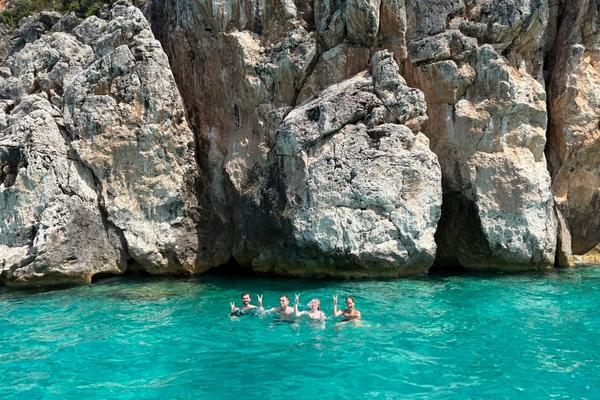
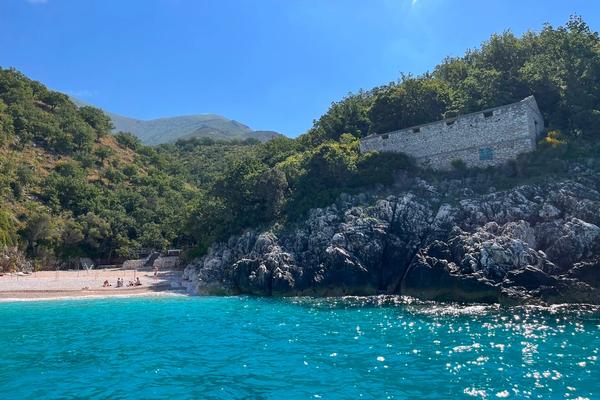
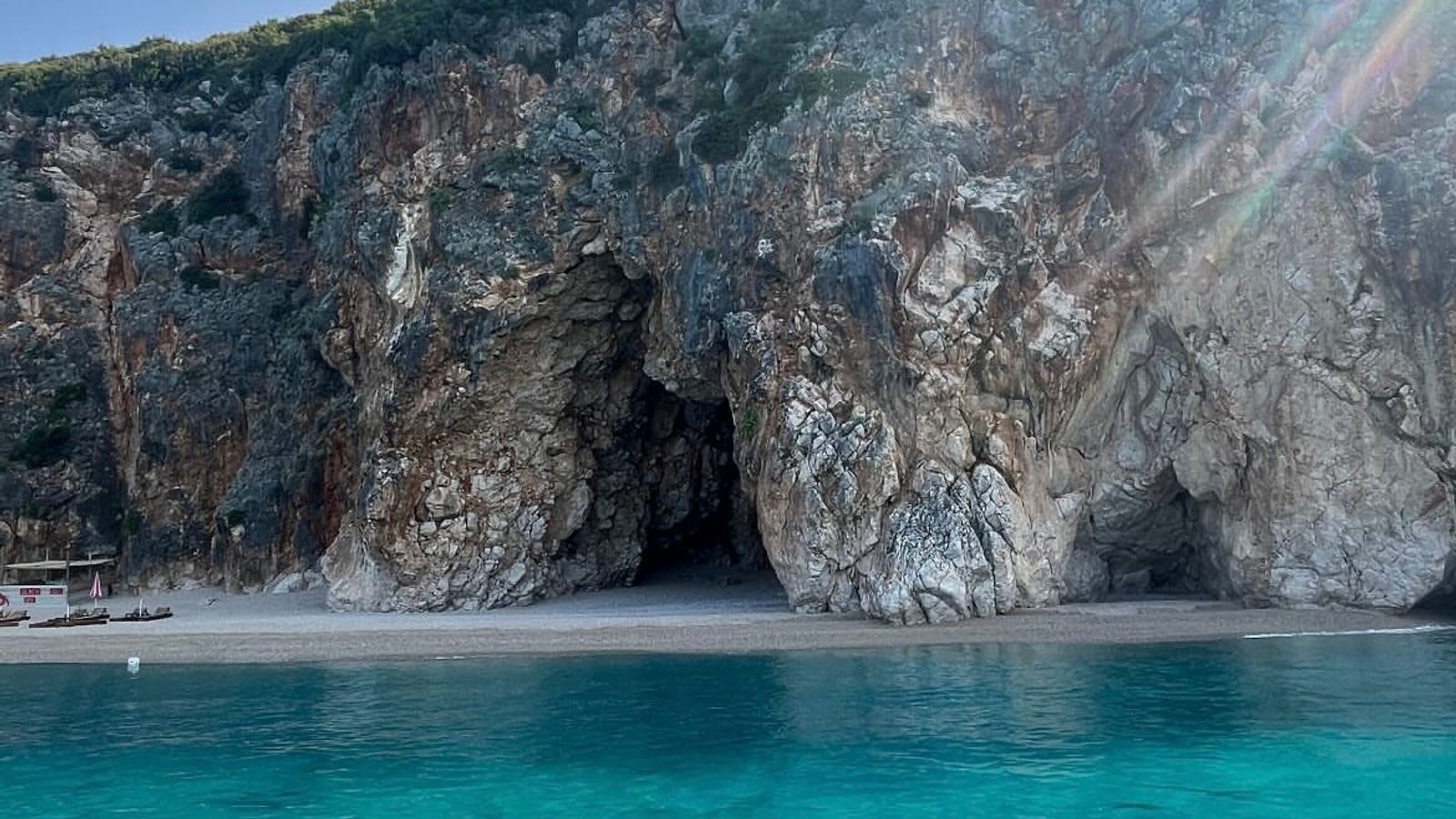
Along dramatic coastlines like the Albanian Riviera, this often means coves tucked beneath cliffs, beaches sitting between sea caves, or narrow strips of white stone that are much easier to approach by boat than by land. Those places tend to keep their sense of privacy because getting there takes intention.
How to find secluded beaches without wasting a day
A smart search starts before you leave your hotel. Maps, satellite view, and social media can help, but they only tell part of the story. What matters is learning how to read the coastline.
Look for interruptions in the obvious pattern. Long public beaches with roads behind them are usually the busiest. Smaller inlets, beaches near cave systems, or coves broken up by cliffs often have fewer visitors. On a map, these places can seem promising, but that still does not tell you whether the water is calm, whether the approach is practical, or whether the beach is actually enjoyable once you arrive.
This is where local guidance changes everything. A beach can be beautiful and still not be ideal on a certain day. Wind direction, boat traffic, and the time of day all affect whether a secluded spot feels peaceful or exposed. Travelers often spend hours chasing a hidden beach they saw online, only to find rough water, no shade, or a crowded anchorage because everyone had the same idea.
The best approach is to combine research with up-to-date local insight. That is especially true on coastlines known for caves, coves, and small turquoise bays where conditions shift quickly and the best spots are not always the most advertised.
The easiest way to reach quieter beaches
For many coastal destinations, the quietest beaches are not hidden inland. They are hidden offshore, in plain sight, but inaccessible to most people arriving by car. That is why boat access is often the simplest route to a more private experience.
A well-designed small-group boat tour removes the friction that usually comes with coastal discovery. You do not need to guess which cove is worth the detour, figure out marine conditions, or settle for the first beach with available parking. Instead, you can move comfortably along the coastline and stop where the water is clearest, the scenery is most dramatic, and the atmosphere still feels intimate.
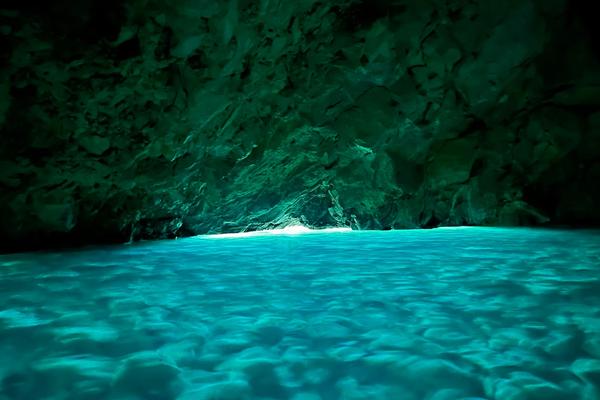
This is particularly valuable on the Albanian Riviera, where some of the most striking places are best experienced from the sea. Hidden beaches, sea caves, and sheltered bays reveal themselves differently when you approach by boat. What looks like a rugged cliffline from land can open into a bright blue cave, a calm swimming spot, or a small beach that feels worlds away from the busier stretches of shore.
Timing matters more than most people think
Even the most beautiful secluded beach is not secluded all day. Some places are quiet in the early morning and busy by noon. Others attract midday traffic from excursion boats but calm down later in the afternoon. If your goal is privacy, you need to think beyond location and focus on timing.
Shoulder season is the easiest win. Late spring and early fall often offer the same luminous water and warm sun with a fraction of the summer pressure. During peak months, the best strategy is to go earlier, choose less obvious stops, and avoid the central hours when everyone heads out at once.
This is another reason premium small-group experiences stand out. They are often built around better pacing, not just transportation. Instead of rushing through crowded highlights, the itinerary can be shaped around comfort, scenic flow, and those windows of time when a destination feels its best.
What to look for in a truly worthwhile hidden beach
Seclusion alone is not enough. A beach can be empty because it is difficult, uncomfortable, or simply less attractive than the alternatives. The best hidden beaches combine privacy with real quality.
Look for water clarity first. If the sea is the main event, then the color, calmness, and visibility matter more than whether the beach has a large stretch of sand. In many premium coastal spots, a small pebbled cove with brilliant turquoise water feels far more special than a wider beach packed with facilities.
Second, pay attention to the setting. Cliffs, caves, rock formations, and natural framing make a beach feel distinctive. These are the places that stay with you after the trip because the arrival itself feels cinematic.
Third, think about comfort. Some travelers want complete simplicity. Others want a hidden setting without giving up a smooth, well-organized experience. There is no wrong answer, but it is worth being honest about the kind of day you want. For couples, small groups, and families who value ease as much as beauty, guided coastal access often offers the right balance.
Mistakes travelers make when searching for quiet beaches
The biggest mistake is chasing whatever is labeled secret online. Once a place is promoted heavily as hidden, it usually is not hidden anymore. A second mistake is assuming the most famous beach nearby must have a quieter corner. Sometimes it does, but often the better option is an entirely different cove that receives less attention.
Another common misstep is overplanning from photos alone. Images rarely show swell, noise, approach conditions, or how many boats may be anchored just outside the frame. A beach can photograph beautifully and still feel crowded in person.
There is also the issue of effort versus reward. Some travelers spend an entire day piecing together transport, trying to access multiple spots, and dealing with logistics that cut into the experience. If your vacation time is limited, the most valuable choice is often the one that gets you to the right places smoothly, with confidence.
How locals really find the best coastal spots
Locals usually do not rely on a single hidden beach. They think in terms of conditions. On one day, a small cove may be perfect because it is sheltered and still. On another, a different stretch of coast offers clearer water and fewer boats. The best choices shift with weather, season, and time.
That local mindset is what visitors benefit from most. It is not just about knowing names on a map. It is about understanding which places are worth visiting right now. On a coastline with highlights like sea caves, bright blue inlets, and sheltered beaches beneath towering cliffs, that kind of judgment makes the difference between a nice outing and a standout memory.
AquaTerra Drymades is built around exactly that kind of coastal experience - small-group boat access, local expertise, and a more comfortable way to reach the Riviera's less-crowded beauty.
How to find secluded beaches and still keep the day easy
If you want the short answer to how to find secluded beaches, it is this: choose coastlines with hidden geography, avoid the obvious access points, and trust local expertise over viral recommendations. The more spectacular the shoreline, the more likely its best places are revealed from the sea rather than the road.
That does not mean every quiet beach needs to feel remote in a difficult way. The best experiences are often the ones that combine discovery with comfort. You can still have the thrill of reaching a tucked-away cove, swimming in crystal-clear water, and enjoying a quieter side of the coast without spending the day managing logistics.
The real goal is not to find a beach that nobody has ever heard of. It is to find one that still feels personal when you arrive. Once you know that, the search becomes much simpler - and much more rewarding.