19 August 2026
Can non swimmers snorkel safely? Learn how flotation, calm water, expert guidance, and a relaxed boat tour make the Albanian Riviera accessible for all.
Can non swimmers snorkel safely? Learn how flotation, calm water, expert guidance, and a relaxed boat tour make the Albanian Riviera accessible for all.
by Spiros
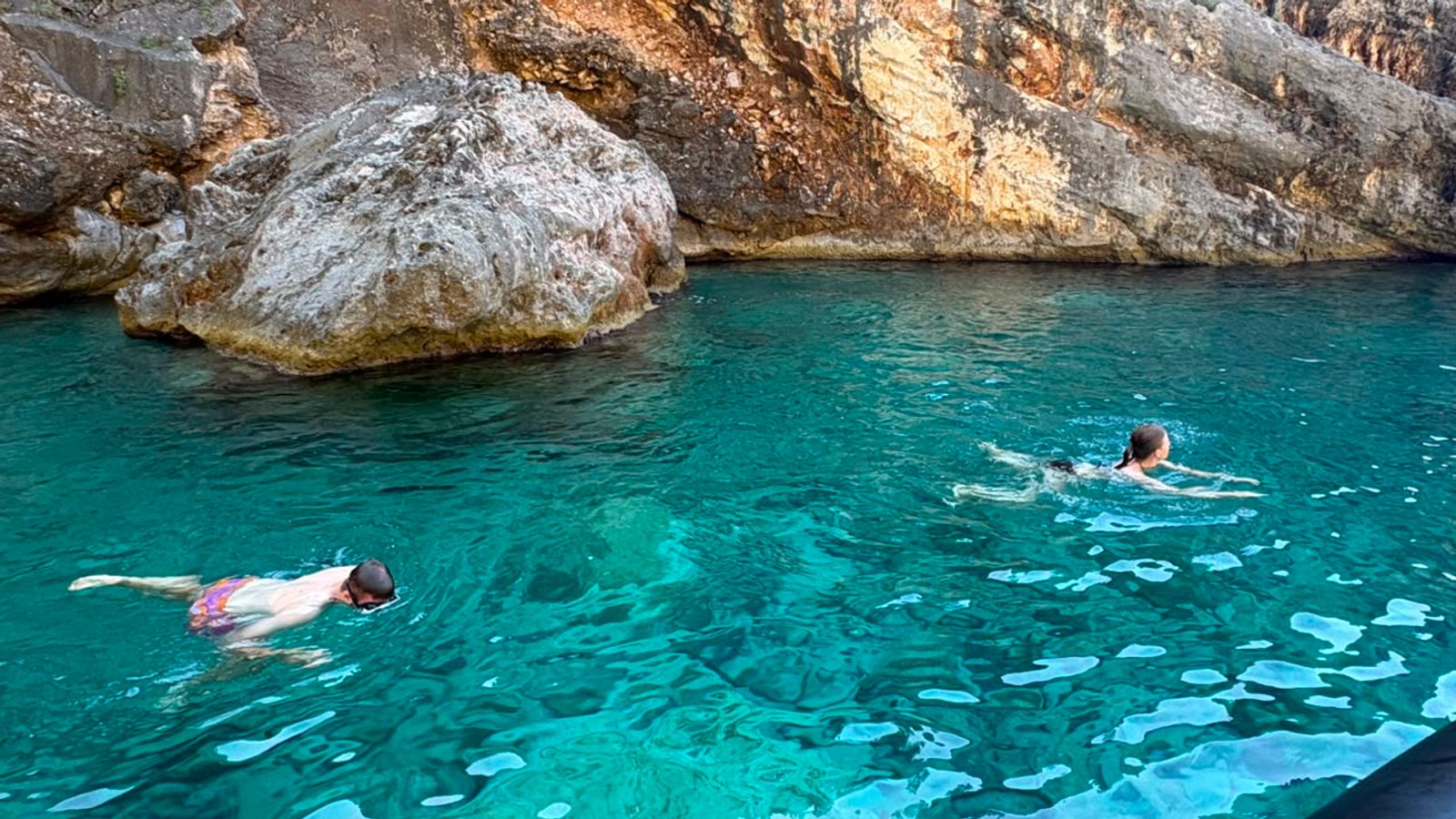
A quiet turquoise cove, a mask resting easily on the surface, and a first glimpse of fish moving over pale stone beneath you - that is the kind of snorkeling moment many visitors picture on the Albanian Riviera. But can non swimmers snorkel? Yes. With calm conditions, the right flotation, and clear guidance, snorkeling can be a comfortable and memorable coastal experience even for guests who are not confident swimmers.
The key is choosing an experience designed around enjoyment rather than pressure. You do not need to be an expert in the water to appreciate the clear coves, sea caves, and bright underwater colors found along the coast near Drymades and Dhermi. You do need to be honest about your comfort level and follow the guidance of your boat crew.
Can Non Swimmers Snorkel Safely?
Non-swimmers can snorkel safely when they stay in calm, sheltered water, wear suitable flotation, and are supervised by an experienced guide or crew. Snorkeling is different from swimming laps in open water. Much of the experience happens face-down, floating at the surface while breathing through a snorkel and looking below.
That said, a mask and snorkel are not a substitute for water confidence. A person who panics when their face is in the water, dislikes wearing a life jacket, or feels unsettled by gentle waves may need more time before snorkeling feels enjoyable. There is no prize for pushing through discomfort. On a well-paced boat tour, it is completely fine to begin from the swim platform, remain close to the boat, or simply enjoy the view from onboard.
For many first-timers, the most reassuring detail is flotation. A properly fitted life jacket or buoyancy aid lets you stay afloat without needing to tread water. You can hold onto a floating aid, stay beside a guide, and keep your movements slow. The goal is not to cover distance. It is to float, look down, and enjoy a new perspective on the coast.
What Makes Snorkeling Easier for Beginners?
The best beginner snorkeling conditions are calm, clear, and close to the boat. Protected bays and quiet beaches are far more inviting than exposed stretches of sea, especially for guests without swimming experience. Water clarity matters too: when you can see the seabed from the surface, you are less likely to feel uncertain about what is below you.
A comfortable mask is equally important. If water constantly enters the mask or the strap feels too tight, even a confident swimmer can become distracted. Before entering the water, take a moment to adjust the fit and practice breathing through the snorkel while standing or sitting in a shallow, controlled position. Breathing slowly through your mouth can feel unfamiliar at first, but most guests settle into the rhythm after a few relaxed breaths.
Fins are optional for non-swimmers. They can help you glide with minimal effort, but they can also feel awkward if you have never worn them. For a first attempt, it is often better to focus on floating comfortably. If you use fins, keep your legs long and move them gently rather than kicking hard.
Choose the Right Boat Tour, Not Just a Beautiful Location
The Albanian Riviera is rich in dramatic scenery, but a beautiful stop alone does not guarantee a comfortable first snorkeling experience. Conditions can vary by weather, wind direction, boat traffic, and the openness of a bay. An experienced local crew can make a meaningful difference by choosing suitable stops and explaining what to expect before you enter the water.
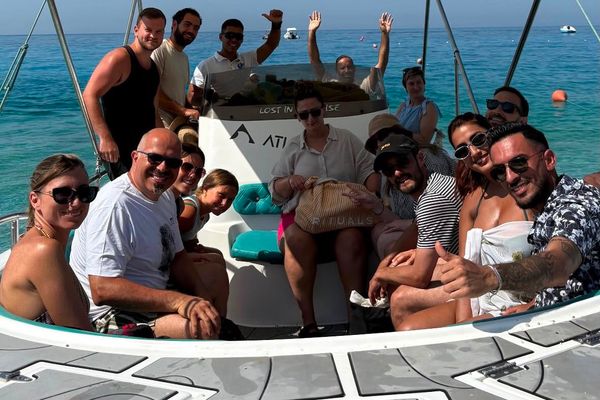
A small-group boat experience is especially valuable for non-swimmers. It gives the crew more opportunity to check that your life jacket fits, help you enter and exit the water, and keep an eye on your comfort. It also removes the pressure of trying to keep pace with a large group.
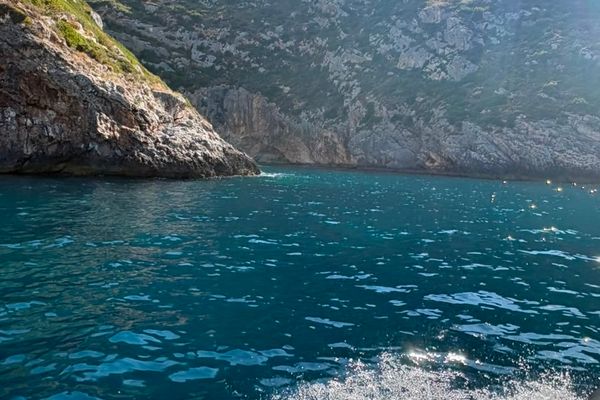
AquaTerra Drymades builds its coastal experiences around carefully selected stops, comfortable navigation, and local insight. For guests new to snorkeling, that means the journey can be just as rewarding as the time in the water. You might cruise past rugged cliffs, pause near a hidden cave, and then choose a calm swim stop where you can try snorkeling at your own pace.
A Simple First-Time Plan for Non-Swimmers
Your first snorkeling attempt should feel calm from the start. Tell the crew that you are a non-swimmer before the boat leaves or before the swim stop begins. This gives them the chance to recommend the right flotation and explain the easiest way to get in and out of the water.
Start close to the boat. Hold the ladder, platform, or a flotation device until your breathing feels steady. Put your face in the water for just a few seconds, then lift it again. Once you realize that you can float and breathe without rushing, extend the time gradually.
Look down rather than ahead. Snorkeling becomes easier when you give your attention to the world beneath the surface: sunlit rocks, flickering schools of small fish, and shifting bands of blue. Avoid making sudden movements or trying to talk through the snorkel. If you need a break, lift your head, signal the crew, and rest.
A few practical choices can make the experience more enjoyable:
- Wear a life jacket or buoyancy aid from the moment you enter the water.
- Use reef-safe sun protection and consider a rash guard if you prefer extra coverage.
- Avoid snorkeling after alcohol or when you feel tired, cold, or unwell.
- Keep a comfortable distance from rocks, cave walls, and the boat propellers.
- Never enter the water without the crew's approval, even if the cove looks calm.
What to Expect at Caves and Hidden Coves
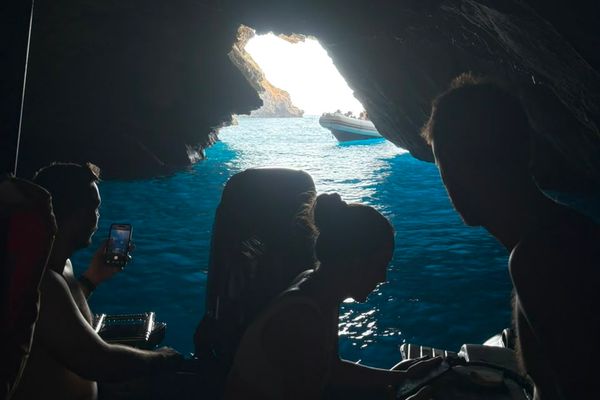
Sea caves and secluded bays are among the most captivating parts of a boat day along the Albanian Riviera. Their shadows, reflected blue light, and clear water create an atmosphere that feels far removed from a busy beach. Yet these locations should be approached with extra care, particularly for non-swimmers.
You may be able to admire a cave from the boat or enjoy a nearby snorkeling stop rather than entering a narrow or darker area. This is not missing out. Often, the strongest views are from the water just outside, where sunlight reveals the color of the sea and the coastline frames the entrance.
Your crew will assess conditions and set boundaries for where guests can swim. Follow those boundaries closely. Caves can have changing light, uneven rock, and occasional water movement, even on an otherwise calm day. Premium experiences are built on knowing when a place is right to explore and when it is better appreciated from a safe distance.
When Snorkeling May Not Be the Best Choice
There are days when it is wiser to skip snorkeling. Strong wind, choppy water, low visibility, or an unexpected change in your confidence can all make the experience less pleasant. That does not mean the boat tour has lost its value. The coastline remains extraordinary from the deck, with scenic navigation, photo stops, and hidden shorelines offering plenty to remember.
You should also reconsider snorkeling if you have a medical condition that affects balance, breathing, or panic response in water. Speak with a qualified medical professional when appropriate, and let the crew know about any relevant concerns. Good preparation is part of a relaxed experience.
For families, children who cannot swim should always be within immediate reach of a responsible adult and follow the crew's age and safety guidance. A life jacket is essential, but close supervision remains essential too.
Confidence Grows One Calm Moment at a Time
Non-swimmers do not have to stay on the sidelines of the Albanian Riviera's underwater beauty. A calm cove, reliable flotation, and patient expert guidance can turn a hesitant first step into a highlight of the trip. Start slowly, stay close to the boat, and let comfort set the pace - the most memorable view may be waiting just beneath the surface.