26 July 2026
Boat Trip Safety in Albania for a Better Day at Sea
Plan a confident day on the Albanian Riviera with boat trip safety Albania advice on weather, crew, swim stops, comfort, and what to bring with confidence.
by Spiros
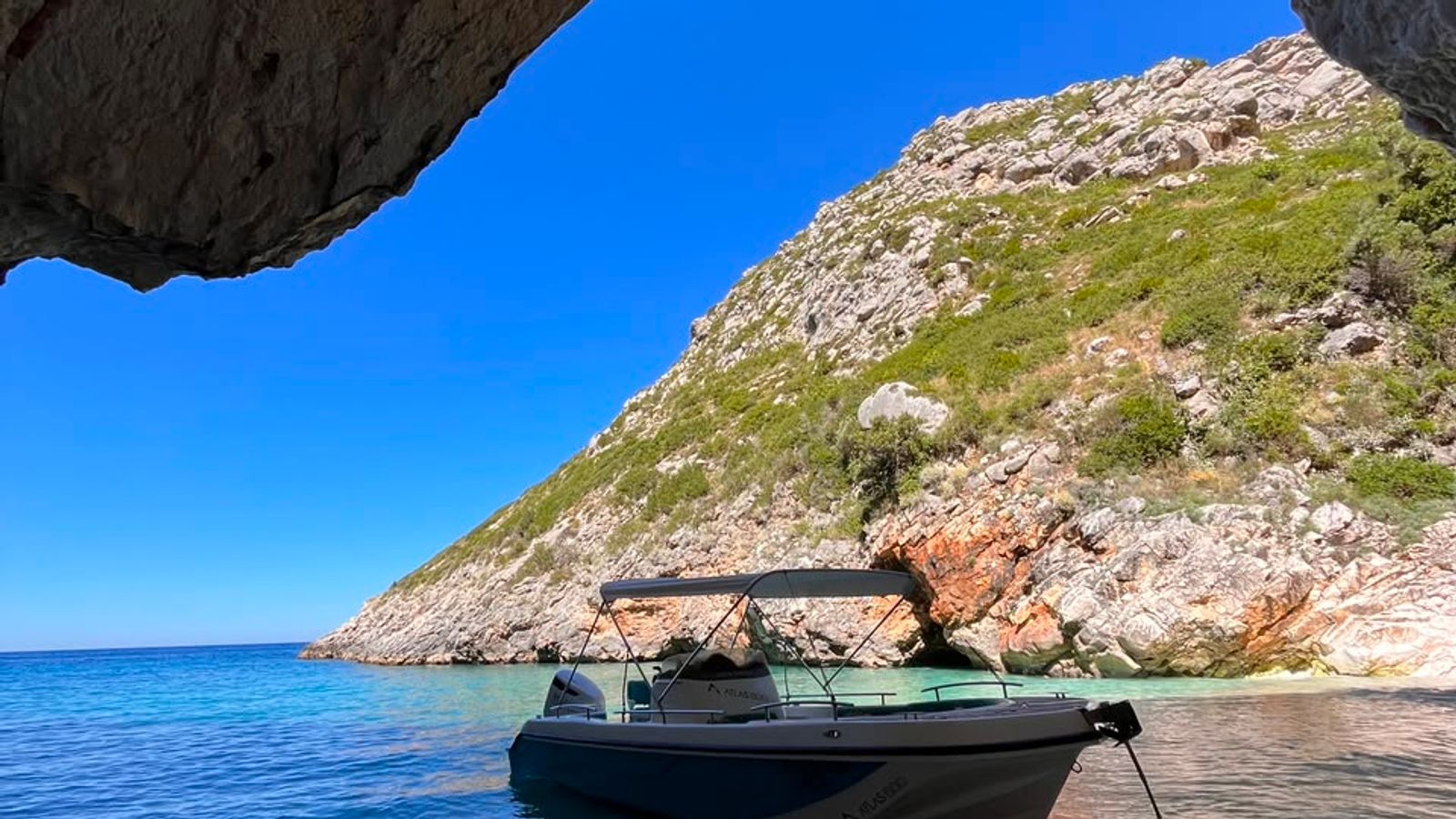
The Albanian Riviera is at its most memorable from the water: limestone cliffs rising above clear blue coves, sea caves revealed around the next headland, and beaches that feel far removed from the road. For anyone researching “boat trip safety Albania,” the most useful advice is simple: choose a well-run experience, listen to the crew, and let sea conditions shape the day. That is how a beautiful coastal outing stays relaxed from departure to the last swim stop.
A premium boat trip should feel effortless, but that ease comes from thoughtful planning. The captain, boat, route, weather call, and group size all matter. When those details are handled well, you are free to focus on the color of the water, the cool shade inside a cave, and the pleasure of reaching places that are difficult to experience from land.
Boat Trip Safety in Albania Starts Before Departure
The best time to think about safety is before you step aboard. On the Albanian Riviera, conditions can be calm and glassy in the morning, then become windier later in the day. This is particularly relevant on routes that pass exposed stretches of coastline or include cave entrances, where swell can affect access even when the sky is bright and clear.
A responsible operator monitors conditions and adjusts the itinerary when needed. That may mean changing the order of stops, spending longer in a protected bay, or skipping a cave that is not comfortable to enter that day. It is not a compromise on the experience. It is expert local judgment protecting the quality of your time on the water.
When choosing a boat tour, look for a clear meeting point, a defined route or set of highlights, a small-group approach, and crew members who explain the plan before departure. You should know what the day may include, what is flexible, and how long you can expect to be at sea. A polished briefing is a good sign that the operation takes both guest comfort and navigation seriously.
If you are prone to motion sickness, plan ahead rather than hoping for the best. Consider speaking with a pharmacist before your trip about suitable options, eat a light meal, stay hydrated, and choose a seat where you can face forward and look toward the horizon. The smoothest ride is never guaranteed, but simple preparation can make a meaningful difference.
Weather Is Part of the Itinerary
A sunny forecast is only one part of the picture. Wind direction, wave height, and local sea conditions often determine whether a route feels calm, whether swimming is comfortable, and whether cave exploration is appropriate. The captain’s decision should always carry more weight than a guest’s wish to reach one particular landmark.
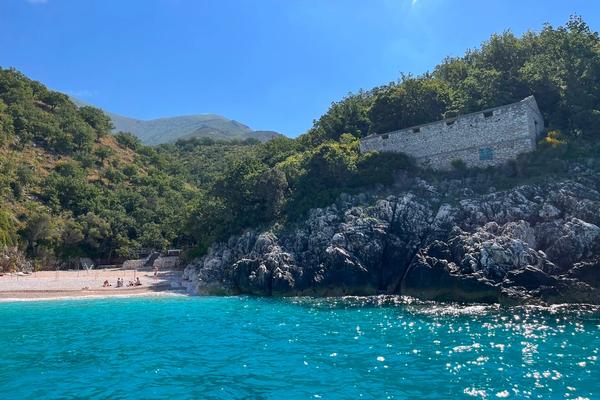
This matters at spectacular stops such as Blue Cave, Pirates Cave, Saint Theodore Caves, or more secluded bays along the coast. Their beauty is precisely what makes them worth approaching with care. Conditions can change quickly around rock formations, so a skilled crew will choose the safest way to enter, pause, or pass by.
Travelers should also allow a little flexibility in their schedule. Booking a boat trip early in a stay can give you more options if weather requires a reschedule. During the April to October season, mornings are often especially appealing for clearer water, gentler conditions, and a quieter feeling at popular coastal landmarks, though every day is different.
What a Safety-Conscious Boat Experience Looks Like
Safety does not need to feel formal or restrictive. On a well-organized small-group tour, it is built into the experience. The crew gives clear directions when boarding, explains where to sit while underway, keeps walkways clear, and tells guests when it is time to remain seated. These small moments prevent the slips, bumps, and confusion that can interrupt an otherwise perfect day.
Before departure, pay attention to where life jackets are stored and how to use them if the crew explains this. Even confident swimmers should take this seriously. Swimming ability is valuable at a beach stop, but it is not a substitute for onboard safety equipment or crew instructions.
The condition and layout of the boat also affect comfort. A modern, well-maintained vessel with sensible seating, shade when available, secure access points, and room for the group makes a long coastal day more enjoyable. Small groups are particularly valuable because they allow the crew to communicate personally, assist with boarding and swimming, and maintain a calmer atmosphere than a crowded excursion.
At AquaTerra Drymades, the goal is not simply to take guests from one landmark to another. It is to create a considered on-water experience where expert guidance, comfort, and the Riviera’s hidden beauty belong together.
Your Role Onboard
Guests contribute to a safe trip by keeping a few simple habits in mind. Wear shoes with a secure grip for boarding and moving around the boat. Keep loose belongings packed away while the boat is underway. Hold a rail when directed, especially if there is any movement on the water.
It is also wise to protect yourself from the elements. The reflection of the sun on the Ionian Sea can feel stronger than expected, even on a breezy day. Bring reef-safe sunscreen, sunglasses with a strap, a hat that will not blow away easily, drinking water, and a light cover-up for the ride back. If you carry a phone or camera, a waterproof pouch is a practical safeguard, not just a convenience.
Alcohol and boat travel require good judgment. A celebratory drink may sound fitting for a Riviera afternoon, but sun, heat, and motion can amplify its effects. Staying clear-headed helps you move safely, enjoy the swim stops, and respond quickly to crew instructions.
Swimming and Snorkeling With Confidence
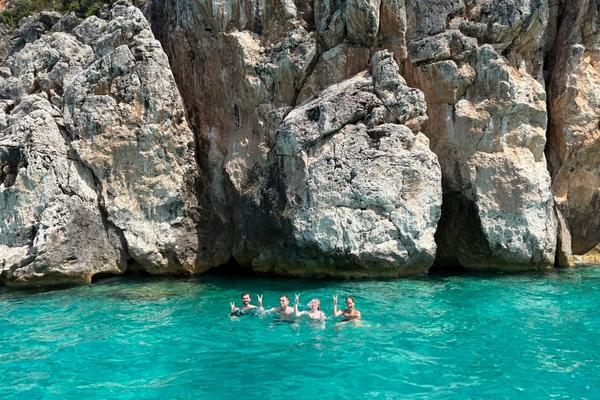
A swim in turquoise water is often the highlight of a boat tour, especially near Gjipe Beach, Gramma Bay, or a hidden cove accessible only from the sea. It should always begin on the crew’s signal. Do not jump in until the boat is properly positioned and the captain confirms that conditions are suitable.
Use the designated entry and exit method, whether that is a ladder, platform, or another setup explained by the crew. Avoid swimming toward rocks, cave walls, or the boat’s propeller area. Even in clear water, distances can be deceptive, and a gentle current can feel stronger once you are away from the boat.
Snorkeling is best enjoyed with awareness, not urgency. Adjust your mask before entering the water, keep your fins clear of other swimmers, and stay within the area indicated by the crew. If you are not a confident swimmer, say so before the first stop. There is no need to miss the magic of the water, but your crew can better guide you toward the most comfortable way to experience it.
Families should keep children within close reach at all times during swim stops. Floatation aids may be useful, depending on the child’s age, confidence, and the conditions, but active supervision remains essential. The most relaxed family boat days are the ones where everyone understands the plan before anyone enters the sea.
When Plans Change, Trust the Local Expertise
There is a romantic idea that every coastal day should follow a fixed map: depart, enter every cave, swim at every beach, return at sunset. In reality, the best days are responsive. A changed route can introduce you to a quieter cove, a more protected swimming spot, or a stretch of coastline that looks even more dramatic in the day’s particular light.
Experienced local crews know which areas are exposed, where the water stays calmer, and when a famous site is better admired from outside than entered. Their knowledge turns an itinerary into a curated experience rather than a race through landmarks. For travelers who value both discovery and peace of mind, that is a meaningful difference.
The sea rewards guests who arrive prepared and stay present. Bring what you need, follow the crew’s guidance, and leave room for the route to unfold with the conditions. Then the Albanian Riviera can offer what it does best: an intimate, comfortable day of caves, clear water, and coastal beauty that feels wonderfully beyond the ordinary.